Find an AI Thumbnail Generator That Follows Your Creative Direction

Create custom YouTube-style thumbnails with your own face, source images, exact wording, and the ability to revise details in plain language.

  • Your face
  • Your source images
  • Plain-language edits
Creator comparing two AI thumbnail concepts on a bright split-screen background

What makes an AI thumbnail generator worth using?

The right tool should do more than produce a polished-looking image. It should let you control the elements viewers actually notice: your expression, the subject of the video, the visual hierarchy, and the exact words on the thumbnail. Thumbnail.AI is built for creators who want to start from a concept, use their own images, and keep refining until the thumbnail fits the video—not settle for a generic template.

For YouTubers, video marketers, educators, commentators, podcasters, and creative teams comparing AI thumbnail tools before choosing a workflow.

Three thumbnail ideas for ai thumbnail generator comparisons

Each example explores a different visual direction and can be adapted with your own face, images, wording, and brand.

Creator comparing two AI thumbnail concepts on a bright split-screen background

AI tool comparison thumbnail

Frame a clear comparison with one creator, two competing visual options, and an immediate decision point.

See the visual approach

A male creator with a focused, slightly skeptical expression stands in the center of a high-contrast split-screen composition. On either side, two distinct abstract thumbnail concept cards face each other with contrasting blue and orange lighting. Clean studio background, large expressive face, strong visual separation, energetic comparison mood, uncluttered layout designed for a YouTube technology video.

Make a thumbnail like this
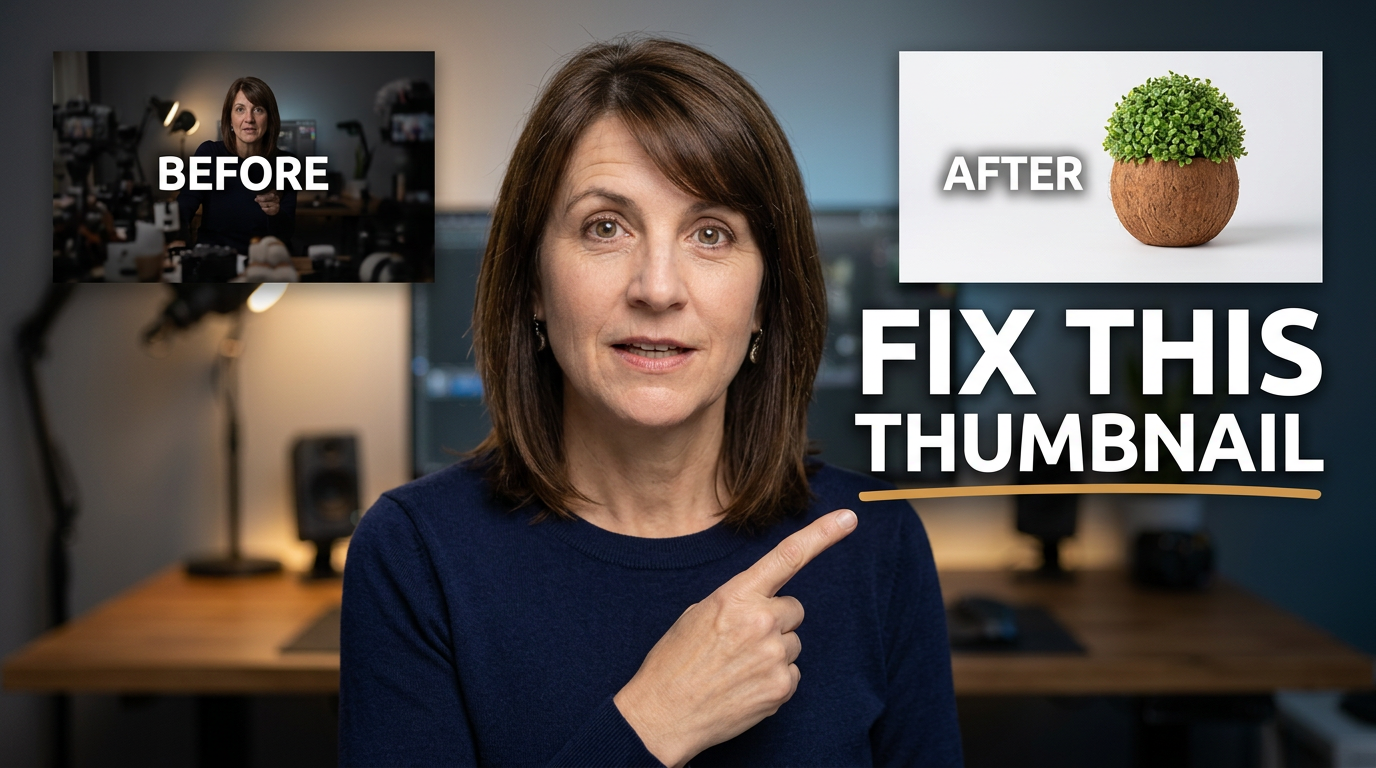
Female creator reacting to a weak thumbnail transformed into a cleaner, more compelling design

Thumbnail improvement tutorial

Use a before-and-after transformation to make a thumbnail critique or redesign video instantly understandable.

See the visual approach

A female creator points toward a dramatic before-and-after thumbnail transformation. The left side is dim, crowded, and visually confusing; the right side is clean, bright, and organized around one large subject. She has an engaged teaching expression and is positioned between the two versions. Modern creator workspace, crisp lighting, strong contrast, clear redesign emphasis, educational and confident mood.

Make a thumbnail like this
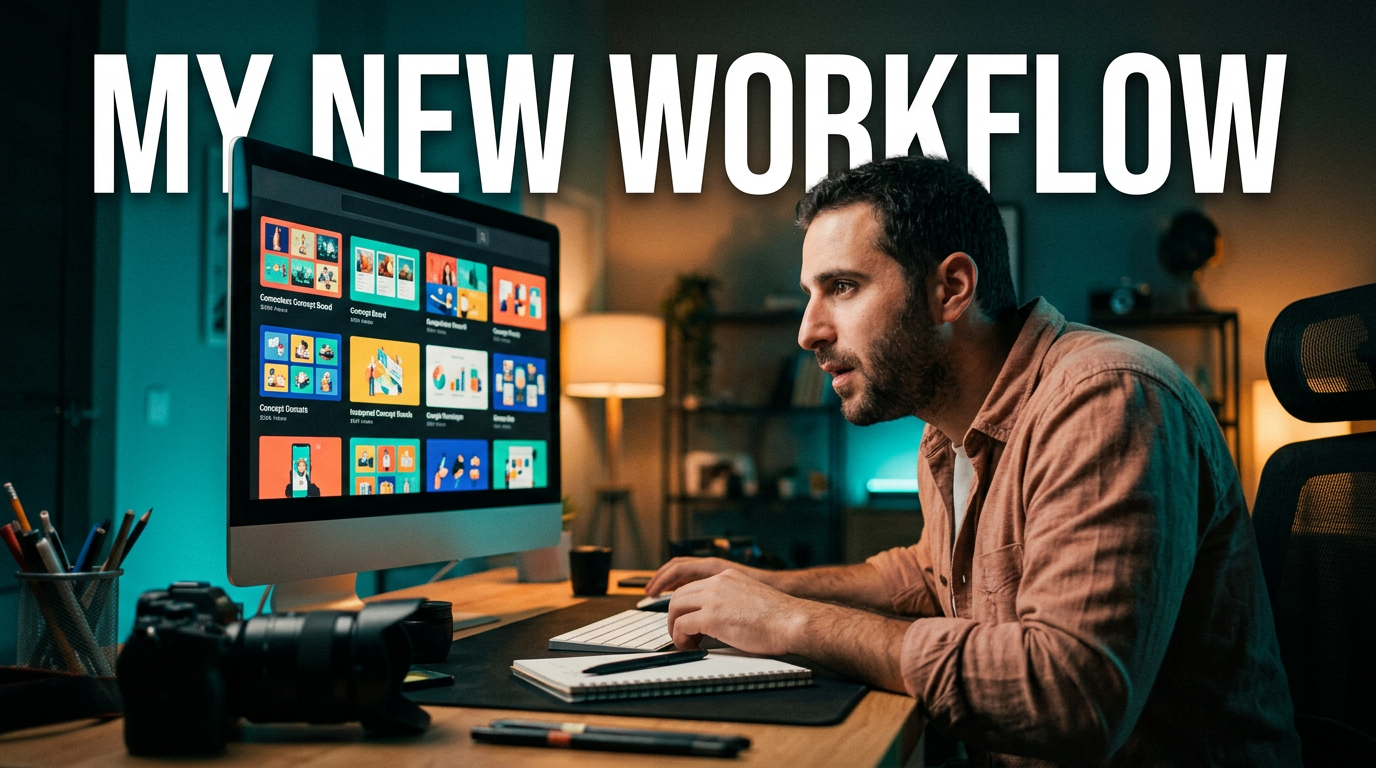
Creator at a desk reviewing AI thumbnail concepts on a monitor

AI thumbnail workflow review

Show the creative process behind a practical tool review without relying on a generic software screenshot.

See the visual approach

A male YouTube creator sits at a desk in a warm modern studio, leaning toward a large monitor displaying several colorful thumbnail concept boards with abstract layouts and image placeholders. His expression is impressed but analytical. A camera, notebook, and subtle editing tools sit in the foreground. Cinematic depth, controlled warm-and-cool lighting, clear focus on the creator and screen, practical behind-the-scenes workflow mood.

Make a thumbnail like this

These examples are starting points. Results vary based on your images, wording, and creative direction.

What to look for when comparing thumbnail tools

A useful AI thumbnail workflow keeps the creative decisions in your hands while making production faster.

  • Custom face and source-image support, so the thumbnail looks like your channel rather than a stock concept.
  • Exact text control for titles, hooks, numbers, and short on-image statements.
  • Plain-language revisions for changes such as a stronger reaction, cleaner background, larger product, or less clutter.
  • YouTube-aware composition that prioritizes a clear subject and readable visual contrast at small sizes.
  • Multiple visual directions for explainers, reviews, reactions, news commentary, interviews, and educational videos.
  • A repeatable process that helps maintain a recognizable channel look without making every upload identical.
  • The ability to create concepts around the actual video topic instead of forcing your topic into a preset design.
  • Easy iteration when the first version has the right idea but needs a different expression, crop, emphasis, or mood.

A simple workflow you can reuse

  1. 1

    Start with the video’s central promise

    Describe the outcome, conflict, question, comparison, or reveal that gives someone a reason to click. A thumbnail should support that one idea rather than summarize every point in the video.

  2. 2

    Add the materials that should be recognizable

    Use your own face, a product image, a screenshot, a logo, or relevant visual references when they matter to the story. This keeps the result connected to your channel and subject.

  3. 3

    Choose a clear visual direction

    Ask for a composition that matches the content: an expressive reaction for commentary, a focused object for a review, a before-and-after setup for a transformation, or a clean expert-led frame for an educational video.

Frequently asked questions

Answers for building a useful, repeatable thumbnail workflow—not just generating one image.

Browse all thumbnail makers
Is an AI thumbnail generator useful if I already have a channel style?

Yes. Use your existing colors, face photos, logo, recurring objects, and visual references as inputs. The goal is to create new concepts that still feel consistent with your channel, not replace your identity with a random template.

Can I control the wording on an AI-generated thumbnail?

You should be able to specify the exact short phrase you want viewers to see. Keep it brief and let the image carry the rest of the idea. Thumbnail.AI is designed around custom thumbnail direction, including the wording you want included.

What should I include in a thumbnail request?

Include the video topic, the main viewer takeaway, the emotion or tension to emphasize, any source images to use, and the desired visual style. If a specific object or person must be prominent, say so directly.

How do I make a thumbnail work on mobile?

Prioritize one dominant face, object, or action. Use a simple background, strong separation between the subject and background, and only a few large words. Check whether the core idea is still understandable when the image is small.

Can I revise a thumbnail after the first concept?

Yes. A practical AI thumbnail workflow supports iteration. You can direct changes such as making your expression more surprised, moving the product closer, simplifying the background, changing the mood, or shifting attention to a different visual element.

Should every YouTube thumbnail include my face?

Not always. A face can add recognition and emotion for commentary, personal brands, and reactions. For tutorials, product reviews, gaming, or documentary-style videos, the strongest subject may be the product, result, scene, or central question instead.

Turn your video idea into a custom thumbnail

Give Thumbnail.AI your topic, your images, your exact wording, and the visual direction you want. Then refine the concept until it matches your channel and video.

Create a thumbnail in Thumbnail.AI